Narbel Letters
The Publication

Foundation Notes.

Narbel Letters began as a personal food journal kept in a Bloomsbury flat. It became a publication when the notes outgrew the notebook — when the observations on balanced eating, seasonal produce, and the rhythm of a home kitchen accumulated enough to warrant a more organised form.

01 — Origin

A Kitchen Log That Became a Public Record

The archive began in 2021 — a single notebook, ruled pages, recording what was cooked each week and why. Not a recipe collection, but a field log: what vegetables were available at the market, how meal composition shifted across seasons, which patterns in the daily food record correlated with a sense of settled energy and which did not.

Eleanor Whitfield, the publication's founding editor, had spent several years working adjacent to the nutrition research community without being a researcher herself. She read the published literature, attended public lectures on dietary epidemiology, and carried a working knowledge of what the evidence base said — and what it didn't say — about everyday eating.

The decision to publish arose from a gap she kept encountering: between what the research said and how it was communicated to a general audience. That gap is not a technical one. It is an editorial one — a question of register, pace, and the choice of what to include and what to leave out.

Narbel Letters exists to occupy that gap: to translate published nutritional findings into editorial prose that assumes an intelligent, curious reader who neither wants to be condescended to nor overwhelmed by methodology.


Editor's workspace in a London flat — open notebooks, a small plant on a wooden desk, morning light through a large window casting long shadows across the surface
BLOOMSBURY, 2021 — THE ORIGINAL NOTEBOOK
02 — The Contributors
Editorial portrait of Eleanor Whitfield photographed in a quiet London interior, natural window light, neutral background, professional and approachable expression
Eleanor Whitfield
Founding Editor

Eleanor oversees editorial direction and writes the publication's core nutrition pieces. Her focus is the practical application of published dietary research to the rhythms of an ordinary home kitchen. She holds a background in food writing and has spent several years reading and summarising nutritional epidemiology for a non-specialist audience.

Editorial portrait of Tobias Marsden photographed against a light interior wall with warm daylight, informal but composed pose, wearing a plain linen shirt
Tobias Marsden
Contributing Writer

Tobias writes on hydration research, active nutrition, and the intersection of physical activity and dietary balance. He brings a background in sports science communication and independent dietary research to his contributions, with a particular interest in how hydration habits interact with fibre-rich eating patterns.

Editorial portrait of Rowena Caldwell photographed in a light-filled kitchen studio setting, surrounded by seasonal produce, warm and approachable expression
Rowena Caldwell
Guest Contributor

Rowena contributes seasonal cooking guides and grocery planning features. Her editorial approach draws on years of working with weekly vegetable box schemes across London and the Home Counties, and a practitioner-level familiarity with gut-friendly and whole-food cooking approaches for everyday households.

03 — Coverage Areas
Balanced Meal Composition

How food groups interact across a day's eating — the plate model, protein-to-fibre ratios, and the distribution of macros across morning, midday, and evening meals, informed by published UK dietary guidance.

Seasonal Produce & Kitchen Routine

Seasonal cooking as a structural approach to dietary variety — which produce is available by month, how the British seasonal calendar shapes nutritional intake, and how the weekly menu can be built around what is genuinely fresh.

Weight Management and Sustainable Pace

The published evidence on sustainable approaches to body composition — gradual pace, energy balance over time, portion awareness, and the behavioural patterns associated with long-term dietary change rather than short-term restriction.

Gut Health and Whole Foods

Dietary fibre, fermented foods, and the emerging research on the gut microbiome — translated into practical meal planning guidance without overstating what the science currently supports.

Hydration and Active Lifestyle

The interaction between fluid intake, dietary fibre, and physical activity — how hydration planning integrates with sport and fitness routines and why the daily water record is worth keeping alongside the food journal.

Mindful Eating and Food Journaling

The published behavioural science of food journaling — how recording meals, portion sizes, and eating context over time produces the attentional shift that underpins sustained dietary improvement.

04
Years in Archive
38+
Published Articles
03
Contributing Writers
100%
Independent Editorial
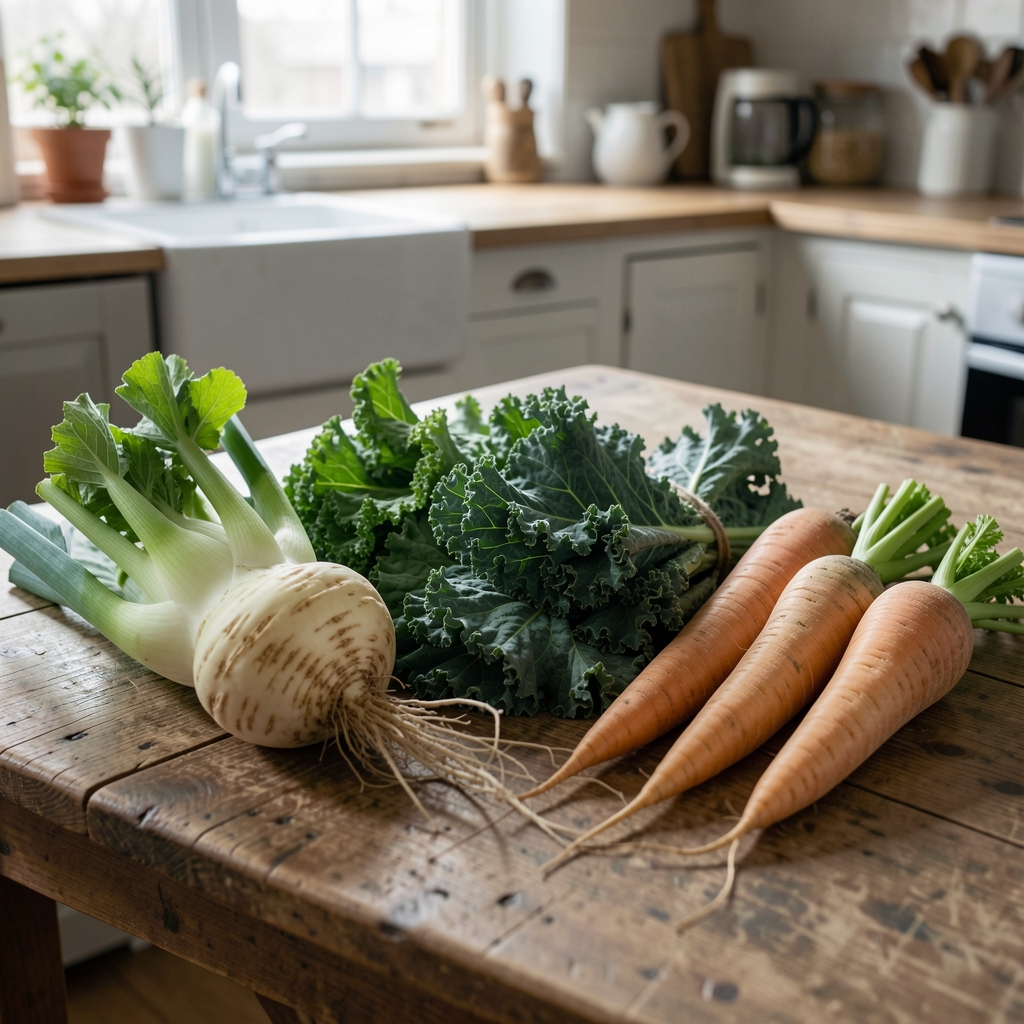
Arrangement of seasonal winter vegetables — celeriac, leeks, kale, and parsnips — laid out on a worn wooden kitchen table in diffused northern light
04 — The Position

Independent of Product, Close to Research

Narbel Letters carries no advertising from food or supplement companies. No product appears on these pages because a commercial relationship exists. Where a product is mentioned, it is because it illustrates a dietary principle that the published research supports — not because of any affiliation.

The editorial review process requires that all factual nutritional claims be traceable to published sources: peer-reviewed journals, official UK dietary guidelines, or publicly available research reports. The standard for inclusion is that the claim can be substantiated from the public record, not that it aligns with any particular nutritional school or commercial interest.

Narbel Letters is an independent editorial publication focused on everyday wellness practices. The publication is not affiliated with any commercial, governmental, or institutional body.

05 — Common Questions